Ultimate Guide to Surgical Procedures for Hysterectomy: Your Path to Better Women's Health
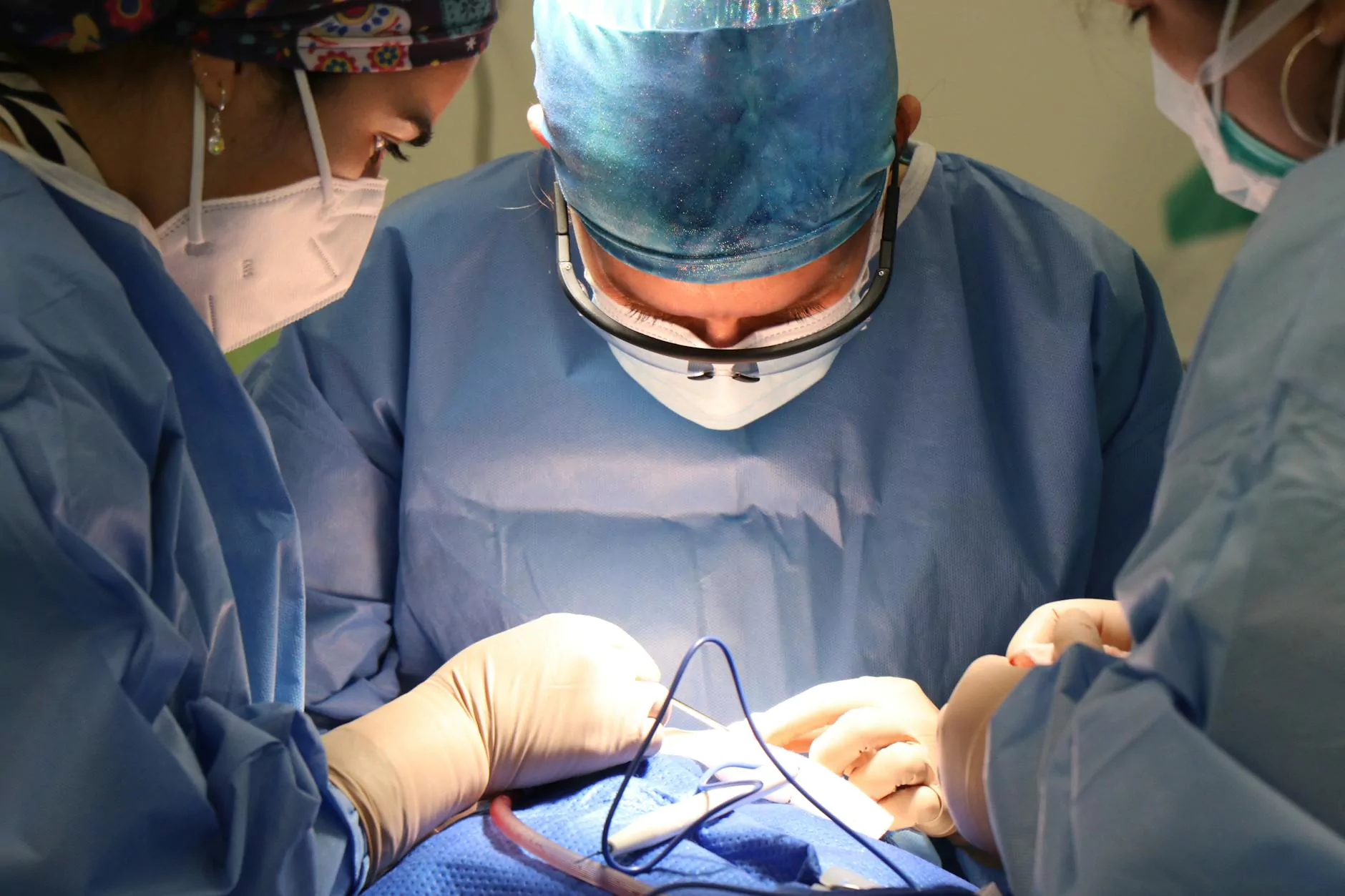
When it comes to addressing various gynecological health issues, a hysterectomy is often considered a definitive treatment option. Whether due to fibroids, endometriosis, uterine prolapse, or chronic pelvic pain, understanding the different surgical procedures for hysterectomy is vital for women seeking expert care and informed decision-making. At drseckin.com, world-renowned obstetricians & gynecologists like Dr. Seckin are dedicated to providing personalized and advanced surgical options to improve women’s health and quality of life.
Understanding the Hysterectomy: A Critical Women's Health Procedure
A hysterectomy involves the surgical removal of the uterus, and in some cases, other surrounding reproductive organs such as the ovaries and fallopian tubes. It is one of the most common gynecological surgeries worldwide, offering relief from debilitating symptoms and solving complex health conditions.
The decision to undergo a hysterectomy is individualized, based on the severity of symptoms, diagnosis, and the patient’s overall health and reproductive goals. Advances in medical technology have led to various surgical procedures for hysterectomy, each tailored to specific patient needs with minimized risks and optimal outcomes.
Types of Surgical Procedures for Hysterectomy: An In-Depth Analysis
The primary goal of surgical intervention is to remove the problem tissue while preserving as much healthy tissue as possible and ensuring a quick recovery. The surgical procedures for hysterectomy are classified mainly into four types:
- Abdominal Hysterectomy (TAH)
- Vaginal Hysterectomy
- Laparoscopic Hysterectomy
- Robotic-Assisted Hysterectomy
1. Abdominal Hysterectomy (Total Abdominal Hysterectomy - TAH)
The most traditional form of hysterectomy involves a surgical incision through the lower abdomen. This procedure provides the surgeon with direct access to the uterus, making it suitable for enlarged uteri or complex cases involving extensive pathology.
- Advantages: Excellent visibility, suitable for complicated cases.
- Disadvantages: Longer recovery time, larger incision, increased postoperative discomfort.
Recovery typically involves 2-4 weeks depending on individual health and complexity of the surgery. While highly effective, this method is now often reserved for cases where less invasive options are unsuitable.
2. Vaginal Hysterectomy
This procedure involves removing the uterus through an incision made inside the vagina, eliminating the need for external incisions. It is usually preferred for women with normal-sized uteri and less complex cases.
- Advantages: Minimal scarring, shorter hospital stay, quicker recovery, less postoperative pain.
- Disadvantages: Limited access for large or damaged uteri; not suitable for all conditions.
This is often considered the gold standard for women with benign conditions requiring hysterectomy, given its minimally invasive nature and rapid recovery.
3. Laparoscopic Hysterectomy
Using small laparoscopic instruments inserted through tiny abdominal incisions, this method offers a minimally invasive alternative to traditional abdominal hysterectomy. It provides excellent visualization and precision.
- Advantages: Reduced postoperative pain, shorter hospital stay, faster return to daily activities, minimal scarring.
- Disadvantages: Requires specialized surgical expertise, longer operative time in some cases.
Laparoscopic hysterectomy is suitable for a wide range of indications, particularly for women with moderate-sized uteri or conditions that require precise removal with minimal tissue trauma.
4. Robotic-Assisted Hysterectomy
An advanced form of minimally invasive surgery, robotic hysterectomy involves the use of robotic surgical systems that enhance surgeon dexterity and visualization. It allows for high-precision moves and complex surgeries through small incisions.
- Advantages: Greater precision, enhanced visualization, less blood loss, rapid recovery, suitable for complex cases.
- Disadvantages: Higher cost, availability constraints, longer setup time.
At drseckin.com, our surgeons utilize cutting-edge robotic platforms to ensure patients benefit from the safest, most accurate surgical options.
Factors Influencing the Choice of Surgical Procedure for Hysterectomy
Choosing the most suitable surgical procedure for hysterectomy depends on multiple factors such as:
- Size and position of the uterus
- Underlying condition requiring removal
- Patient's age and reproductive plans
- Previous pelvic surgeries (which may affect access)
- Patient’s overall health and anesthesia risks
- Surgeon’s expertise and available technology
Expert consultation is essential to determine the optimal surgical approach aligned with the patient's unique needs and circumstances.
Preparing for a Hysterectomy: What Women Need to Know
Preoperative preparation involves comprehensive evaluations, including imaging studies and blood tests, to ensure fitness for surgery. Patients are advised to discuss:
- Medication management (including blood thinners)
- Dietary restrictions
- Arrangements for postoperative care and recovery at home
Additionally, understanding the expected recovery process, potential risks, and postoperative symptoms helps women to prepare mentally and physically for the journey ahead.
Recovery and Postoperative Care Following Surgical Procedures for Hysterectomy
Recovery varies depending on the type of procedure performed. Generally:
- Vaginal and laparoscopic hysterectomies enable quicker recovery, often within 2-4 weeks.
- Abdominal hysterectomy may require 4-6 weeks for full recovery.
- Pain management, activity restrictions, and wound care are integral parts of postoperative care.
Patients are encouraged to follow their surgeon’s instructions meticulously, attend follow-up appointments, and seek medical advice if unusual symptoms such as fever, heavy bleeding, or severe pain occur.
The Future of Surgical Procedures for Hysterectomy: Innovations and Trends
Advances in medical technology continue to refine the surgical procedures for hysterectomy. Innovations such as single-incision laparoscopy, natural orifice transluminal endoscopic surgery (NOTES), and enhanced robotic systems are making procedures less invasive, safer, and more efficient.
Moreover, biotechnological developments aim to further reduce operation time, scarring, and recovery periods, empowering women to return to their normal lives sooner with minimal discomfort.
Why Choose Dr. Seckin for Your Hysterectomy?
At drseckin.com, our team of dedicated obstetricians & gynecologists specializing in women's health and surgical interventions provides personalized care tailored to each patient’s needs. Dr. Seckin’s expertise encompasses all types of surgical procedures for hysterectomy, with an emphasis on minimally invasive techniques that prioritize patient comfort, safety, and optimal outcomes.
Our comprehensive approach includes preoperative evaluation, state-of-the-art surgical options, and thorough postoperative follow-up to ensure each woman’s healing process is smooth and successful.
Conclusion: Empowerment Through Knowledge and Expert Care
Understanding the surgical procedures for hysterectomy enables women to make informed decisions about their health. Advances in minimally invasive techniques offer significant benefits, including reduced pain, shorter hospital stays, and faster return to daily life. With the expertise of renowned surgeons like Dr. Seckin, women can trust that they are in capable hands, receiving personalized, cutting-edge care rooted in the latest medical innovations.
If you or someone you know is considering a hysterectomy, consult with experienced obstetricians and gynecologists to explore the most suitable options. Your journey toward improved health and renewed vitality begins with informed choices and access to expert surgical care.